September 12, 2026
Keeping a corridor open in freeze and thaw
Lane work and drainage only count if traffic still moves. How we stage highway work when the ground will not sit still.
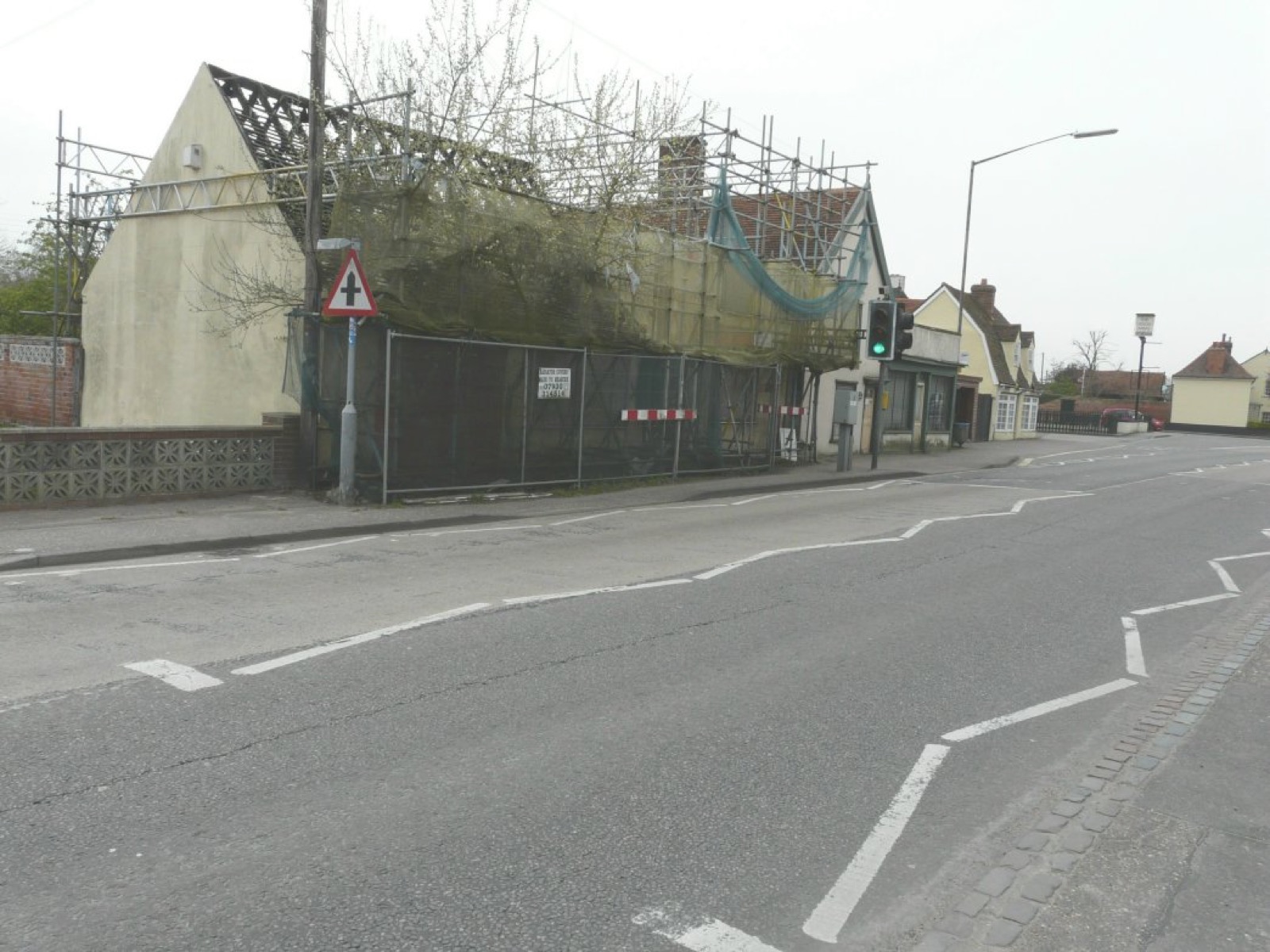
A lane closure looks simple on a sheet. Out on the road it is a running argument between the work, the weather, and everyone still trying to get home.
We stage highway work so the corridor stays a corridor. The open lane has to drain. The barrels have to sit where a driver can see them after dark. The next shift has to know which side is live before the first cone goes down. If any of that is fuzzy, you do not have traffic control. You have a guess.
The ground moves anyway
Freeze and thaw is the part that ignores the schedule. A shoulder graded on Tuesday can heave by Friday. Water that sat in a ditch overnight finds a new path under the mat. If the drainage is wrong, the patch you just opened is already in trouble, and traffic is sitting in it.
Before we close a lane we walk it. We look at where the water wants to go, where the haul trucks will stack when the light turns, and where a plow will shove the barrels if nobody thought about the blade. Those answers go into the sequence the crew will use at 5 a.m., written so a lead can run it without a phone call.
Open means people can still move
A closure that looks tidy from a truck cab and traps the next neighborhood behind it is not a finished plan. We leave room for the plow, for the delivery that shows up on the live side, and for the flagger who has to see both directions when the light drops.
People still have to move while we rebuild the road. If they cannot, the closure is not ready, no matter what the sheet says.